School is in Session! How about a Lesson in Finances?
School is in Session! How about a Lesson in Finances?
School started this past week for most students. One question I often get is, “When should I begin to teach my children about money?” Every child is different and matures at a different rate. Some mature very quickly, while others more slowly. Here are some basic guidelines, but you will ultimately decide when your child is ready for which phase.
For weekly insights, follow The Welch Group every Tuesday morning on WBRC Fox 6 for the Money Tuesday segment.
Elementary School
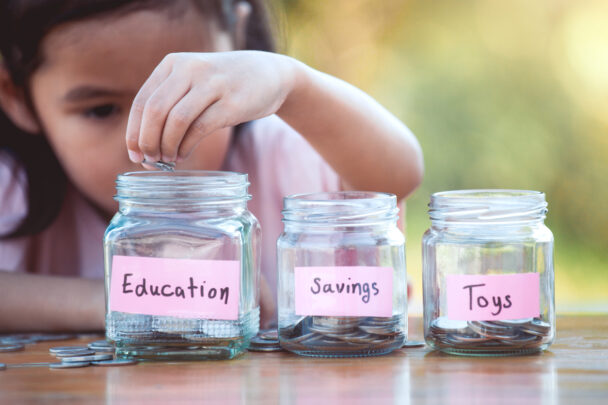
It is never too early to begin teaching the concepts of money and money management. Here is one idea: When your child goes with you to the grocery store, instead of them pointing to the candy bar and you buying it for them, give them $1 (or whatever amount you feel is right) and let them buy what they want. If the item they want is more than $1, do not bail them out. Watch how fast they learn to ‘shop’ their choices. If they have money left over, it is a good opportunity to teach them the benefit of saving it for their next purchase. This could be part of a $1 per week allowance or it could be associated with completing certain chores such as keeping their room clean or setting the table for dinner. I am not explicitly recommending $1. The amount is up to you, whatever you feel is appropriate. Obviously, as they get older, you will want to raise the amount and increase their responsibilities.
Middle School
I have had the opportunity to work with many very successful people, as well as observe many people who struggle financially their whole life. Often, the individuals who grew up with a strong work ethic and had jobs as teenagers are the ones that have excelled financially.
My father certainly believed in work. At age 12, he had me selling mini-stovetop fire extinguishers door-to-door. When I was 16, I went door-to-door painting house numbers on curbs. In high school, I sold Cutco knives. Then, in college, I had a summer job in a restaurant at the beach. The point is, that I worked and learned many lessons that served me well once I was on my own.
A good place to start money management is with an allowance for doing certain tasks. Eventually, as they get older, you will want them to get a job where the income does not come from you. It could be a neighborhood grass-cutting business, working for a grocery store stocking shelves or bagging groceries, etc. They will learn vital communication skills, what goes into providing great customer service, and empathy for those around them. All these skills and more will be critical to their later success in life.
If you haven’t already, this is a good time to teach the importance of saving for longer-term goals. You can begin by helping your child set up a savings/money market account at your local bank and contributing 10% of their earnings for their long-term goals. Whatever the amount, start a conversation with your child and teach a saver’s mentality; it will be a great start for a successful outcome.
Next week: Kids and Money- Part II High School & College