Last week we discussed principles to abide by when thinking of purchasing a home. First, a quick review of the key points:
Establish a cash reserve for unforeseen expenses.
Prioritize your savings.
DO NOT exceed 28% of gross income AFTER SAVINGS on your mortgage payment.
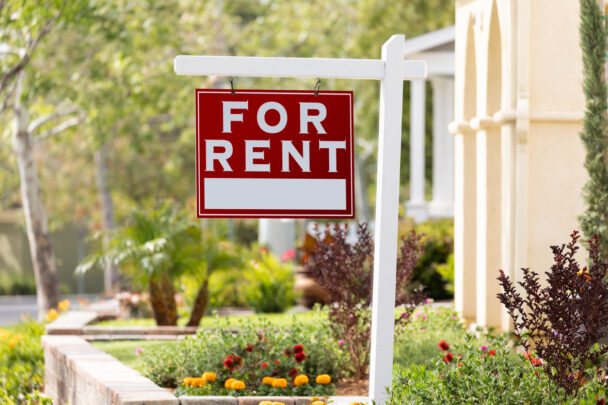
This week, I want to discuss why renting may be the best course of action if you cannot stay true to these principles.
Follow The Welch Group every Tuesday morning on WBRC Fox 6 Money Tuesday segment for weekly insights.
Avoid the Down Payment Requirement
While there are exceptions to this rule, such as Veteran Affairs Loans and other government loan programs, most originated mortgages require a down payment. A typical down payment is 20% of the purchase price. However, some lenders require less than 20% if the loan is backed up with primary mortgage insurance (PMI). Still, this insurance adds to the overall cost of the mortgage and typically stays in place until the 20% equity threshold is met.
Deciding to rent a home does mean there is typically no large down payment requirement. However, most landlords may require a first month’s rent or security deposit. Even so, not having to produce that sizeable down payment will allow you to allocate this capital towards other more productive pursuits or life goals. These can include investment contributions (particularly a 401(k) with a company match), debt paydown (student loan debt, credit card debt, car loan debt, etc.), and other life events (wedding-related expenses, etc.).
Landlord Responsible for Upkeep
Homeownership expenses are more than just the monthly mortgage, property tax, and homeowner’s insurance. As an owner, you are responsible for ALL ongoing maintenance and any unforeseen major fixes(i.e., roof repair, plumbing issues, etc.). While homeowner’s insurance may partially offset some of these significant expenses, they will not fully cover them as insurance deductibles will need to be paid, and some items may be excluded in policy coverages. As a renter, the property owner is responsible for most maintenance and typically all major fixes, which can alleviate stress for those who do not want to be physically and monetarily responsible for the upkeep.
No Investment Risk / Freedom to Walk Away
With mortgage rates at their highest levels in over ten years and home prices on the rise in most areas, it makes sense to proceed with caution if looking to purchase a home. Before making this decision, be sure to evaluate the purchase from an investment perspective to ensure you are making the right decision for your budget and future goals. Currently, in this environment, home purchases are a risky investment. As an alternative, look to rent and avoid the short-term investment risk associated with this market. Remember, you cannot walk away from a bad investment, but you can walk away from a lease!
Still have questions about whether renting or buying is best for your financial situation? Consult with a financial professional to help you make the right decision for your budget.