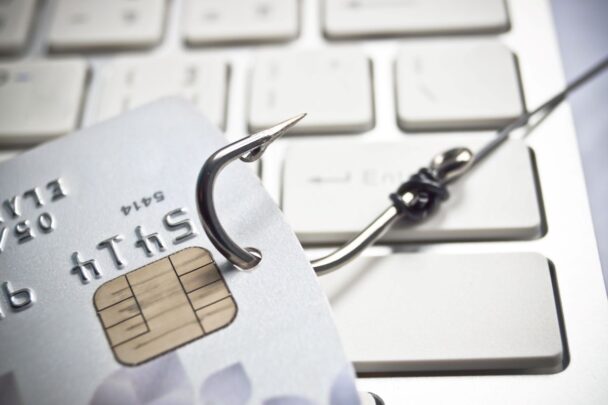
Online hacking/phishing scams are becoming more prevalent by the day. In addition to the volume of these scams, the hackers themselves are becoming more brazen and sophisticated in their methods, which requires a heightened sense of alert. Everyone should have their guard up, especially the elderly and those who are not experienced with technology.
Follow The Welch Group every Tuesday morning on WBRC Fox 6 Money Tuesday segment for weekly insights.
Below are some tips to improve your defenses and reduce the likelihood of becoming a victim of these attacks:
Be Proactive Before Attacks
DO NOT sign up for text message alerts and marketing emails from stores (Your information will likely be sold to others, increasing your online footprint and your likelihood of being attacked!).
Periodically review your Junk/Trash email folders and delete all unnecessary messages.
Permanently “Block” any suspicious emails to reduce the likelihood of future attacks.
Refrain from publishing your email address and phone number online.
Consider purchasing a Virtual Private Network (VPN) service for use at home and on the go. The VPN increases online privacy by masking your IP address to protect online actions.
Tips When Faced with A Potential Attack
THINK BEFORE YOU CLICK! Carefully read where emails originate (i.e., the email address it is from). Recommendation: Have a skeptical bias towards any suspicious-looking emails.
DO NOT click on links in emails, even to track packages. Simply hovering over the links will show you where you will actually be redirected. Recommendation: The best practice here is to copy/paste tracking numbers into your internet browser to verify legitimacy.
Pay close attention to emails stating, “We received a notice you wish to change your password,” as this is a common phishing scheme tactic! Emails imposing a sense of urgency and threatening consequences if no action is taken are likely scams. Recommendation: DO NOT click on links or call any numbers offered in suspicious emails! Separately search for the website/organization contact information to alert them of the notification and ask for advice about appropriate next steps.
NEVER provide your password, or other sensitive information, via email or email attachment. Recommendation: Best practice here is to directly call whoever needs the information and provide it over the phone.
If you receive a phone call claiming to be your bank/financial institution asking for account numbers, email addresses, passwords, etc. DO NOT ENGAGE WITH THE CALLER! Your actual bank/financial institution will NOT ask for this information.
If you receive an email at an odd time of day (i.e., 3:00 AM), and are not expecting anything from the sender, call the sender to verify its legitimacy. Be sure you use a phone number you know for sure belongs to the sender, not a number provided in said email.
The above tips do not guarantee online safety, but they are a great first step in reducing your likelihood of attack. Be sure to contact your financial advisor directly if you think your accounts have been compromised.