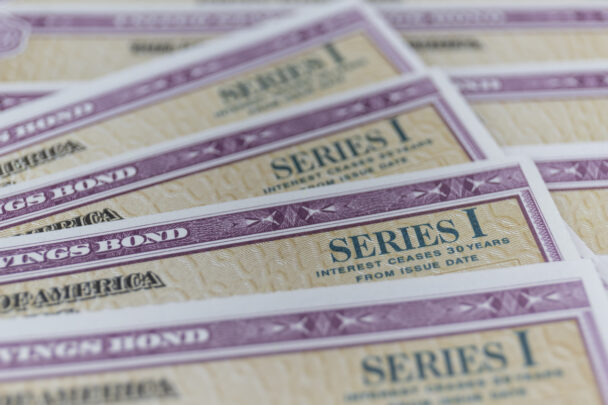
One of the biggest concerns currently surrounding markets is inflation and how to defend against it. The search for yield is intense! The Consumer Price Index on all items shows inflation increasing 6% year-over-year, not to mention checking/savings accounts, and most sovereign bonds yield below 2%. One tool that can be effective for your savings plan is the Series I Savings Bond.
For weekly insights, follow The Welch Group every Tuesday morning on the WBRC Fox 6 Money Tuesday segment.
The Series I Savings Bond is a low-risk savings vehicle that earns a fixed rate of interest along with a variable rate based on the Consumer Price Index. The variable rate adjusts every six months based on a Consumer Price Index calculation. The bond earns interest over a 30-year period unless cashed in before. Like any investment, the Series I Bond is not perfect and comes with certain limitations. Below are a few pros and cons of the Series I Bond to help you determine if they are a good fit for you:
Pros of Series I Bonds:
Currently yielding 7.12% annually, or 0.593% per month, through April 2022
Tax-Free at State level
Tax-Free at Federal level if used for Qualifying Education
Tax assessed when the bond reaches maturity or at redemption
Cons of Series I Bonds:
Interest rate is variable
Must Own the bonds for at least one year (Think lack of liquidity here!!)
If redeemed before five years, you lose the previous three months interest
Taxed at Federal level if not used for Qualifying Education
Minimum and Maximum purchase requirements (See Below)
Difficult to purchase within IRA’s
How to Purchase
If you are interested in purchasing a Series I Bond, there are two ways to do so. The first is by establishing an account through the TreasuryDirect.gov website and then purchasing electronically. There is a $25 minimum purchase requirement and a purchase limitation of $10,000 annually if you are buying electronically. The second way is to purchase paper bonds via your Income Tax Refund (Click here for more details). Again, there is a $50 purchase requirement and a purchase limitation of $5,000 annually if purchasing paper bonds.
As you can see, the Series I Bond is a helpful tool to combat inflation’s negative effects. Just keep in mind this tool is not perfect and may not fit your overall plan. Make sure to consult your financial advisor to see if these options make sense for you.